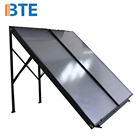
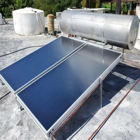
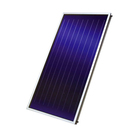
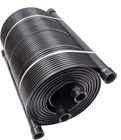
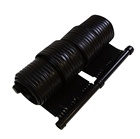
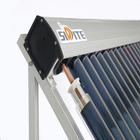
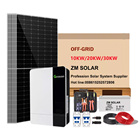
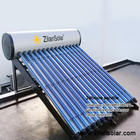
Top Solar Thermal Manufacturers and Suppliers in Arizona
Maximize Arizona's abundant sunshine with leading solar thermal manufacturers. Discover high-performance solutions tailored for homeowners, businesses, and industrial operators in key regions like Phoenix and Tucson. These local hubs, leveraging strong industrial and research infrastructure, offer significant logistical advantages, reduced shipping costs, and faster installation for your solar thermal projects. Explore how these systems can help you reduce energy costs, increase efficiency, and contribute to a sustainable future right here in Arizona.
Where to Find Solar Thermal Manufacturers and Suppliers in Arizona
Arizona's solar thermal manufacturing landscape thrives due to the state's abundant sunshine and proactive renewable energy policies. Key manufacturing and supply regions, such as the Phoenix metropolitan area and Tucson, leverage established industrial clusters. These areas benefit from existing semiconductor and aerospace supply chains, providing logistical advantages for component production and system assembly.
Industrial hubs around major cities offer shared infrastructure and a specialized labor force. Many suppliers strategically locate near research institutions like Arizona State University, fostering collaborative innovation. Furthermore, Arizona's proximity to California and Mexico facilitates cross-border supply chain integration for raw materials.
The market is further bolstered by Arizona's Renewable Energy Standard, which mandates utilities to procure 15% of their power from renewable sources by 2025. With an average of 299 sunny days annually, the state provides ideal conditions for solar thermal system testing and operation. Local suppliers enjoy advantages such as reduced shipping costs and expedited installation timelines for projects across the Southwestern U.S., offering a competitive edge over overseas manufacturers.
Arizona Solar Thermal Incentives and Benefits
Arizona offers a compelling environment for solar thermal adoption, driven by its abundant sunshine (averaging 299 sunny days annually) and robust renewable energy policies. Beyond these natural advantages, significant financial incentives make investing in solar thermal highly attractive.
These incentives include:
- Federal Residential Clean Energy Credit: Homeowners can claim a 30% federal tax credit on the cost of installing a solar water heating system.
- Arizona State Tax Credit: A 25% state tax credit is available on the cost of solar water heating systems, up to $1,000.
- Property Tax Exemption: Solar installations do not lead to increased property tax assessments.
- Sales Tax Exemption: There is no sales tax on solar water heating equipment and installation.
- Utility Rebates: Various programs, such as the Southwest Gas Solar Water Heating Rebate, offer cash back for qualifying systems.
These incentives, combined with the state's optimal solar conditions, can lead to substantial energy savings, with solar water heating potentially reducing hot water costs by 50-80%. Additionally, properties equipped with solar energy solutions often see an increase in value and faster sales, contributing to a more sustainable and environmentally friendly Arizona.
How to Choose a Solar Thermal Manufacturer or Supplier in Arizona
Selecting the right solar thermal manufacturer or supplier in Arizona requires a systematic approach to ensure quality, reliability, and compliance.
Here's a step-by-step guide:
-
Verify Certifications and Standards:
- Manufacturing Quality: Prioritize suppliers with ISO 9001 certification, indicating robust quality management systems.
- Thermal Performance: Ensure products are accredited by the SRCC (Solar Rating & Certification Corporation) for verified thermal performance.
- Energy Efficiency: Confirm adherence to ASHRAE 90.1 standards for energy efficiency.
- Durability and Safety: Look for IEC 62108 compliance for durability testing. For commercial projects, UL 3703 certification is crucial for collector safety.
- Local Codes: Arizona-based manufacturers or suppliers should demonstrate thorough familiarity with state-specific building codes, including Title 41 land use regulations.
-
Assess Production Capacity and Operational History:
- Factory Audits: For manufacturers, consider performing factory audits. Viable suppliers typically operate facilities exceeding 3,000 m² and employ 50+ technical staff.
- Experience: Opt for suppliers with a proven operational history of 12 or more years, as this often indicates stability and experience.
-
Conduct Quality Verification:
- Third-Party Reports: Request and review third-party testing reports for critical performance indicators such as stagnation temperature resistance and thermal shock performance.
- Onsite Inspections: If feasible, conduct onsite inspections of manufacturing processes, paying close attention to welding and glazing quality.
- Material Traceability: Demand full material traceability documentation for key components like absorber plates and glass.
-
Evaluate Logistics and Support:
- North American Logistics: For projects in Arizona, prioritize suppliers with strong North American logistics experience to ensure efficient delivery and installation.
- Response Times: Consider suppliers with rapid average response times (e.g., ≤2-3 hours) for inquiries and support.
- Customer Retention: High reorder rates (e.g., 17% or higher) can signify strong product satisfaction and reliable service.
By meticulously following these steps, buyers can confidently choose a solar thermal manufacturer or supplier that meets their specific project requirements and contributes to long-term energy savings in Arizona.
Types of Solar Thermal Systems for Arizona Applications
Arizona's abundant sunshine makes it an ideal location for various solar thermal systems, catering to diverse needs from residential hot water to large-scale industrial processes.
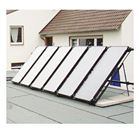
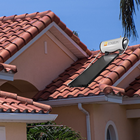
- Residential Solar Water Heating: These systems efficiently pre-heat or entirely heat domestic water for showers, dishwashing, and laundry. They significantly reduce reliance on conventional gas or electric water heaters, leading to substantial energy bill savings for homeowners across Arizona.
- Commercial & Industrial Applications: Customized solar thermal solutions are deployed in various commercial and industrial settings. Examples include:
- Hotels and Apartments: Providing hot water for guests and residents, reducing operational costs.
- Hospitals: Ensuring a consistent and sterile hot water supply.
- Restaurants and Breweries: Supplying hot water for sanitation and process heating.
- Laundromats: Meeting high hot water demands efficiently.
- Food Processing Centers: Utilizing solar heat for various processing stages.
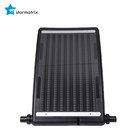
- Solar Pool Heating: An increasingly popular application in Arizona, solar pool heating extends the swimming season and maintains comfortable water temperatures without the high costs associated with traditional heating methods. These systems effectively harness solar energy to heat pool water, offering a sustainable and cost-effective solution for both residential and commercial pools.
- Radiant Floor Heating: Solar-heated water can be circulated through underfloor piping systems to provide efficient and comfortable space heating for homes and businesses. This method offers an even distribution of heat and further reduces energy consumption.
- Agricultural Solutions: Solar thermal technology finds practical applications in agriculture, such as:
- Dairy Farms: Providing hot water for cleaning and sanitation.
- Greenhouses: Maintaining optimal temperatures for crop growth.
- Other High-Water-Usage Industries: Supporting various processes requiring heat, enhancing sustainability and reducing energy overhead.
These diverse applications demonstrate the versatility and effectiveness of solar thermal systems in leveraging Arizona's unique climate for economic and environmental benefits.
What Are the Best Solar Thermal Manufacturers and Suppliers Serving Arizona?
To assist in finding the ideal solar thermal manufacturer for your Arizona project, we've compiled a list of top suppliers. While many global leaders offer solutions applicable to Arizona's market, we highlight their key metrics for informed decision-making.
Note: For projects requiring direct in-state manufacturing or installation, prioritize suppliers with established Arizona operations or strong North American distribution networks.
| Company Name | Location | Years | Staff | Area (m²) | On-Time Delivery | Response Time | Reviews | Online Revenue | Reorder Rate | Verified Supplier Pro | OEM for well-known brand | Sample-based customization | Drawing-based customization | Warranty available |
|---|
| Dezhou Bte Solar Co., Ltd. | Shandong, CN | 10 | 190+ | 3,900+ | 100.0% | ≤2h | 4.7/5.0 | $510,000+ | 7% | Yes | No | Yes | No | No |
| Puremind Technology Co., Ltd. Zhuhai | Guangdong, CN | 7 | 50+ | 3,800+ | 100.0% | ≤2h | 4.8/5.0 | $2,000,000+ | 17% | Yes | No | Yes | No | No |
| Blue Carbon Technology Inc. | Shandong, CN | 15 | 210+ | 15,000+ | 100.0% | ≤3h | 4.6/5.0 | $280,000+ | 17% | Yes | No | Yes | No | Yes |
| Yangzhou Zhongming Technology Co. | Jiangsu, CN | 8 | 40+ | 10,000+ | 94.6% | ≤4h | 4.5/5.0 | $840,000+ | 37% | Yes | No | No | No | Yes |
| Shenzhen Poolmax Pool Equipment | Guangdong, CN | 10 | 10+ | 1,000+ | 100.0% | ≤4h | 4.6/5.0 | $110,000+ | 10% | Yes | No | Yes | Yes | No |
| Starmatrix Group Inc. | Jiangsu, CN | 5 | 340+ | 5,000+ | 91.7% | ≤7h | 4.6/5.0 | $30,000+ | 29% | Yes | Yes | Yes | No | Yes |
| Haiyan Uniepu New Material | Zhejiang, CN | 17 | 4+ | 100+ | 93.3% | ≤3h | 4.5/5.0 | $9,900+ | 6% | Yes | No | Yes | No | No |
| Haining Zilan Solar Technology | Zhejiang, CN | 12 | N/A | N/A | 100.0% | ≤4h | 4.3/5.0 | $3,300+ | 21% | No | No | No | No | No |
| Sidite Energy Co., Ltd. | Zhejiang, CN | 19 | 90+ | 20,000+ | 58.3% | ≤4h | N/A | $4,800+ | 6% | Yes | No | No | Yes | No |
| Zhejiang Shengfulai New Energy | Zhejiang, CN | 1 | N/A | N/A | 100.0% | ≤1h | N/A | $10,000+ | N/A | No | No | No | No | No |
Analyzing the data, several manufacturers stand out:
- Top Performers: Puremind Technology and Blue Carbon Technology excel with perfect delivery records, rapid response times (≤2-3h), and high reorder rates (17%). Puremind Technology also boasts a higher online revenue, indicating significant market activity.
- Exceptional Retention: Yangzhou Zhongming Technology demonstrates strong customer loyalty with a remarkable 37% reorder rate, suggesting high satisfaction despite moderate response times. They also offer warranty services.
- Established Reliability: Dezhou Bte Solar, with a decade of operation and consistent 4.7/5.0 ratings, offers proven stability and a solid online revenue.
- Customization and OEM: Starmatrix Group Inc. stands out for offering OEM services for well-known brands and sample-based customization, along with a high reorder rate of 29%. Shenzhen Poolmax Pool Equipment also supports both sample and drawing-based customization.
Key Considerations for Arizona Projects:
- Logistics: For optimal project timelines and cost efficiency in Arizona, prioritize suppliers with proven North American logistics experience, irrespective of their manufacturing base.
- Performance Data: Exercise caution with suppliers exhibiting on-time delivery rates below 90% or those with incomplete performance data (e.g., Sidite Energy Co., Ltd. with 58.3% on-time delivery).
- Local Arizona Suppliers/Distributors: For direct in-state support, consider companies like SunEarth Inc., AET Solar (serving the Western US including Arizona), A to Z Energy Services, NAZ Solar Electric, and The Solar Store. These entities often have a strong local presence, certified installers, and tailor solutions specifically for the Arizona market, offering benefits like local expertise and faster service.
Case Studies: Successful Solar Thermal Projects in Arizona
Solar thermal systems have demonstrated significant success across various sectors in Arizona, leveraging the state's abundant solar resources to deliver tangible benefits.
- Residential Hot Water Savings: Numerous residential installations throughout Phoenix and Tucson have reported substantial reductions in utility bills, often achieving 50-80% savings on hot water costs. For example, a typical 3-bedroom home in Mesa, after installing a flat-plate solar water heating system, observed an average monthly saving of $50-$70 on their energy bill, equating to an estimated payback period of 5-7 years.
- Commercial Efficiency in Hospitality: A boutique hotel in Scottsdale implemented a solar thermal system for its hot water needs, including guest rooms and laundry facilities. This resulted in a 60% decrease in natural gas consumption for water heating, significantly lowering operational expenses and reducing the hotel's carbon footprint. The system also provided a reliable hot water supply, enhancing guest satisfaction.
- Extended Pool Season for Recreation Centers: A community recreation center in Glendale installed solar pool heating panels for its outdoor swimming pool. This allowed them to extend their operational season by two months annually, attracting more members and eliminating the need for expensive electric or gas pool heaters. The system paid for itself within four years through energy savings.
- Industrial Process Heat for Agriculture: A dairy farm in rural Arizona utilized solar thermal collectors to pre-heat water for its milking parlor sanitation processes. This industrial application provided a consistent supply of hot water at the required temperature, leading to a 45% reduction in propane use and demonstrating the viability of solar thermal for energy-intensive agricultural operations.
- Customer Testimonials: Local Arizona solar companies frequently share testimonials highlighting customer satisfaction. For instance, a homeowner in Flagstaff praised their solar thermal installer for the seamless process and the unexpected comfort of radiant floor heating powered by solar, noting a significant improvement in indoor air quality and lower winter heating bills.
These case studies underscore the practical benefits and proven effectiveness of solar thermal technology in Arizona, making it a smart investment for diverse applications.
FAQs About Solar Thermal in Arizona
Who are the leading solar thermal manufacturers in Arizona?
While the 'number one' can vary, Arizona's solar thermal sector features key players specializing in residential and commercial applications. For thermal solutions, focus on manufacturers with strong certifications and proven local project experience, rather than broad utility-scale PV providers like First Solar. Companies like SunEarth Inc. and AET Solar have a strong presence in the Western U.S., including Arizona, offering tailored solutions and a network of certified installers.
What are the typical costs for a solar thermal system in Arizona?
Residential solar thermal systems in Arizona typically range from $6,000 to $15,000 for installation. Commercial projects, depending on scale, usually see per-square-foot collector costs between $80-$150, prior to factoring in available incentives and rebates. These costs can vary based on system size, type, and installation complexity.
How much does it cost to build a utility-scale solar thermal power plant?
Utility-scale solar thermal power plants are significant investments, typically requiring approximately $0.89-$1.01 million per megawatt capacity. Therefore, a 10MW facility would cost around $9-10 million, excluding additional expenses such as land acquisition and grid connection infrastructure.
What are the potential downsides of solar thermal in Arizona?
Despite numerous advantages, potential downsides include:
- Financing Challenges: Higher loan interest rates can sometimes impact residential adoption, making the initial investment seem more daunting.
- Water Usage Constraints: For some advanced thermal technologies that require cooling systems, water usage can be a concern in Arizona's drought-prone regions. However, most common solar water heating systems for homes and businesses do not consume significant amounts of water.
How can I verify solar thermal manufacturer reliability?
To verify reliability, conduct a three-step process:
- Certifications: Request ISO 9001 and SRCC (Solar Rating & Certification Corporation) certification documents.
- Industry Reviews: Validate performance through reputable industry-specific platforms or trade associations focusing on thermal performance data and manufacturer track records.
- Local References: Require evidence of previous Arizona installations, ideally with contactable references, to assess real-world performance and customer satisfaction.
Can I visit a solar thermal factory or schedule a meeting?
Reputable manufacturers and suppliers often offer virtual facility tours or arrange in-person meetings at major industry events like Solar Power International. For international suppliers, especially those based in China, advance notice is typically required for onsite visits due to export compliance procedures and logistical planning.
How long does the sampling process take for custom collectors?
Standard sample lead times for custom solar thermal collectors typically range from 15 to 30 days. Most established suppliers provide samples at material cost plus shipping, with the option for free samples often contingent on a commitment to larger volume orders.


 CN
CN CN
CN


 1/27VR
 1/27VR